News

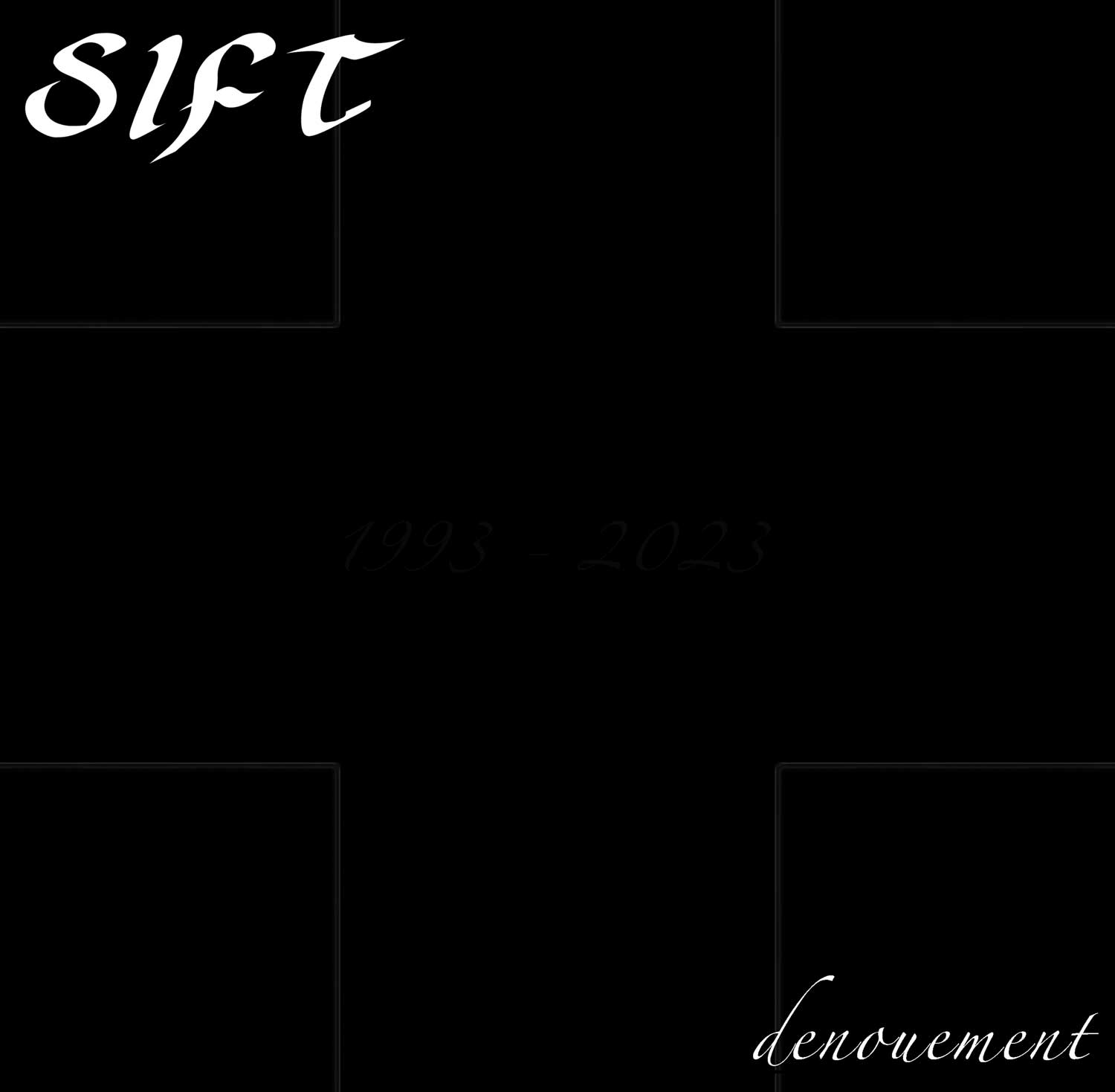
Sift’s final release, Denouement, now available! Vinyl for sale at Bandcamp.
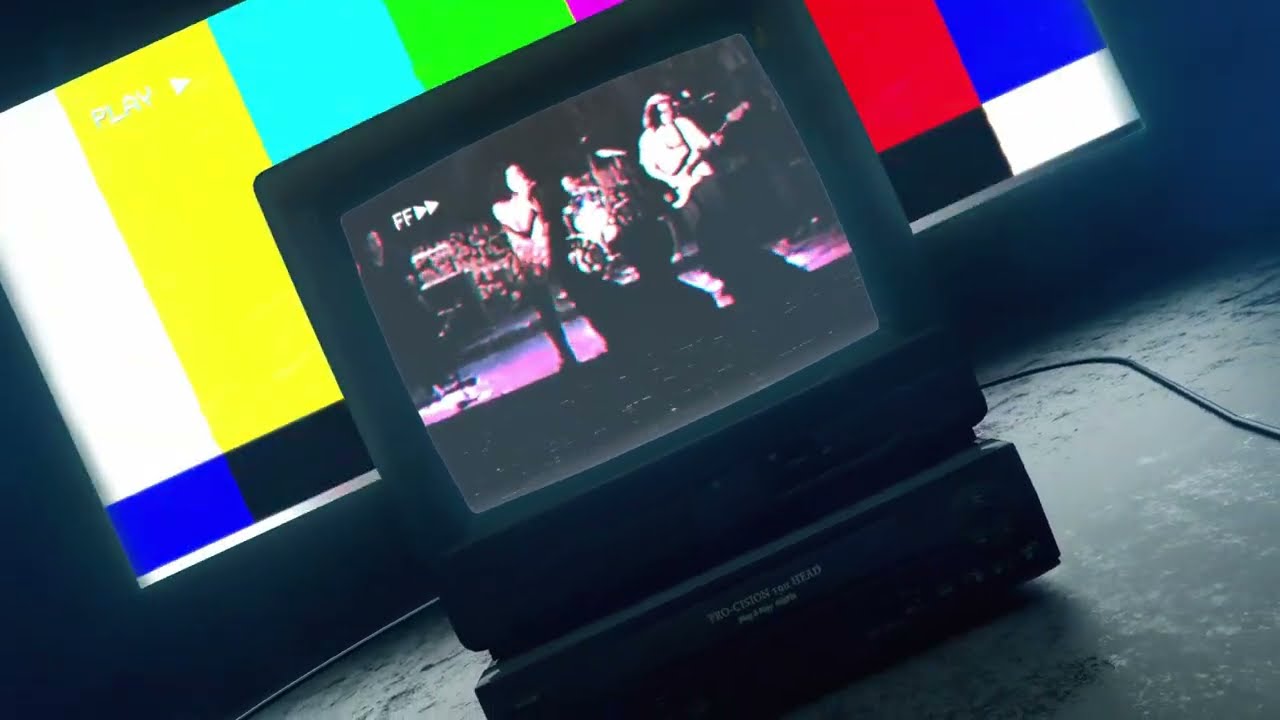
Watch the full documentary on our official YouTube channel.
History
The timeline of events.
Exposition
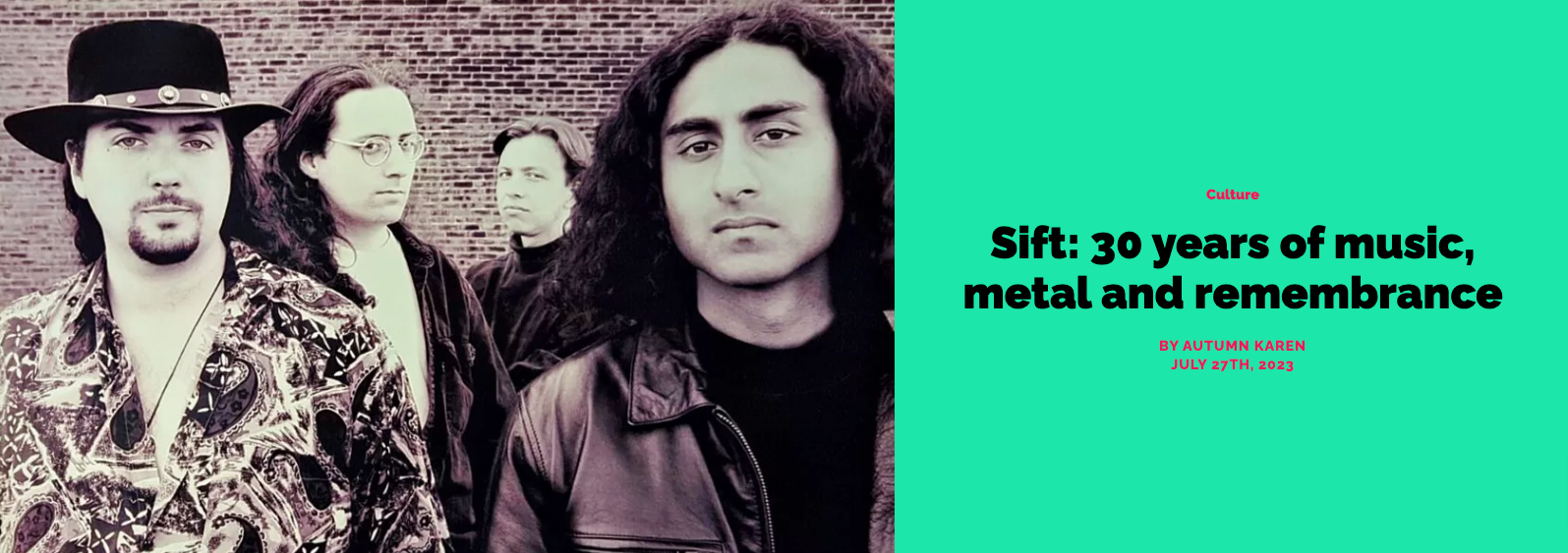
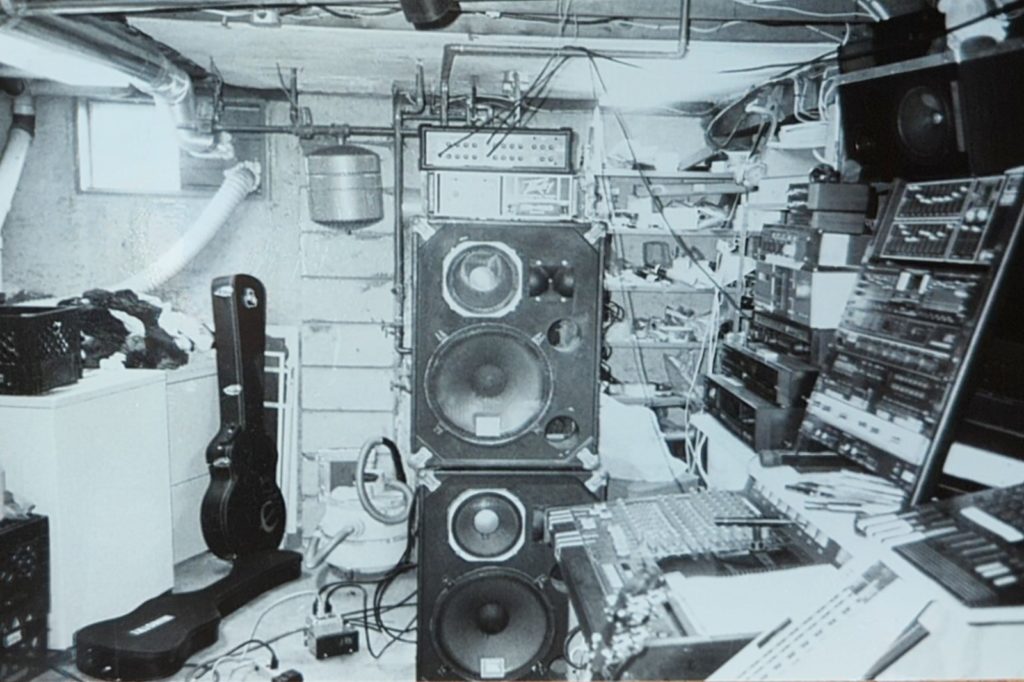
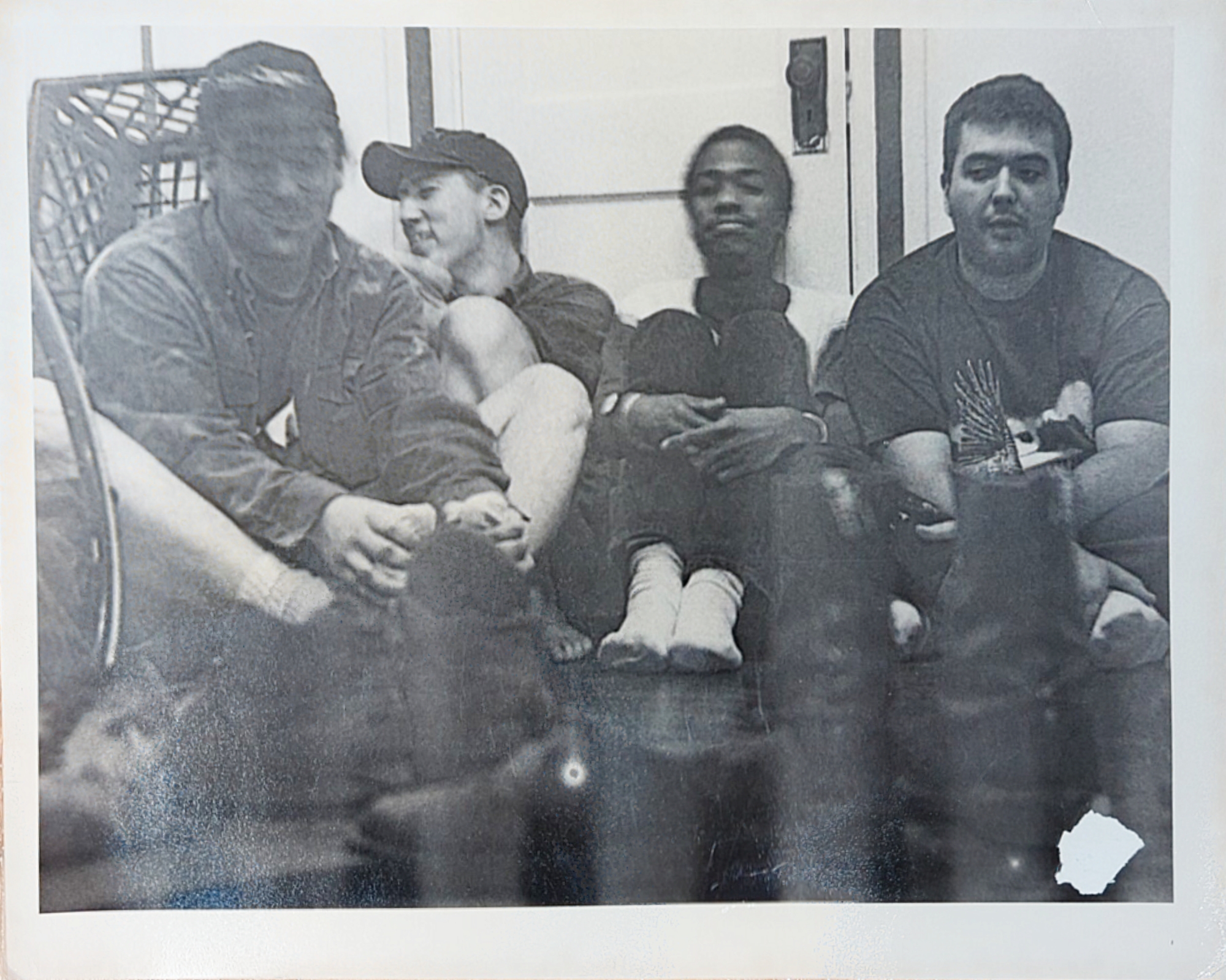
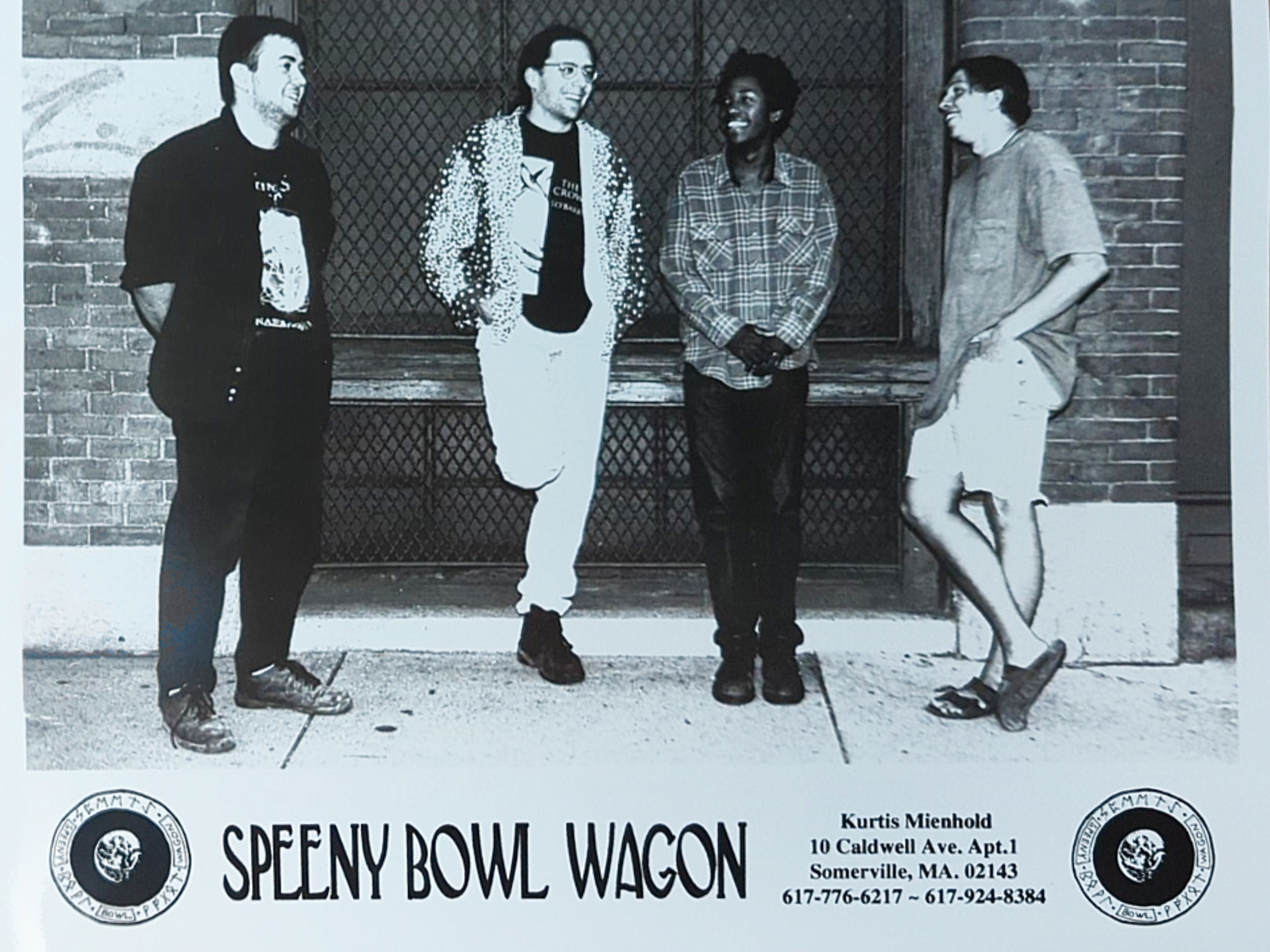
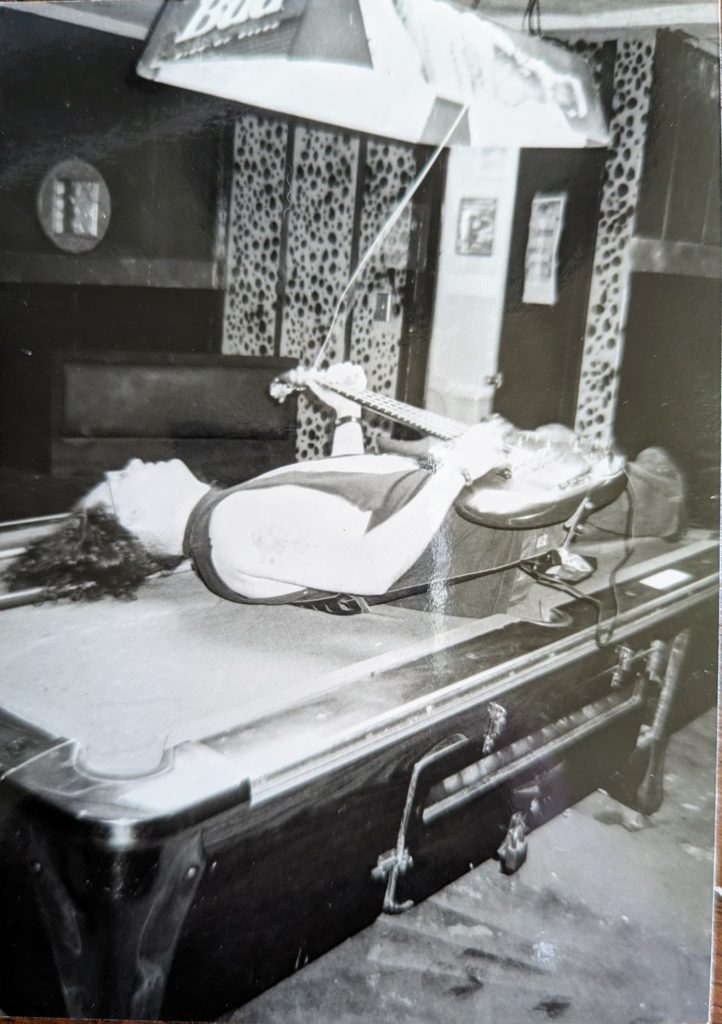
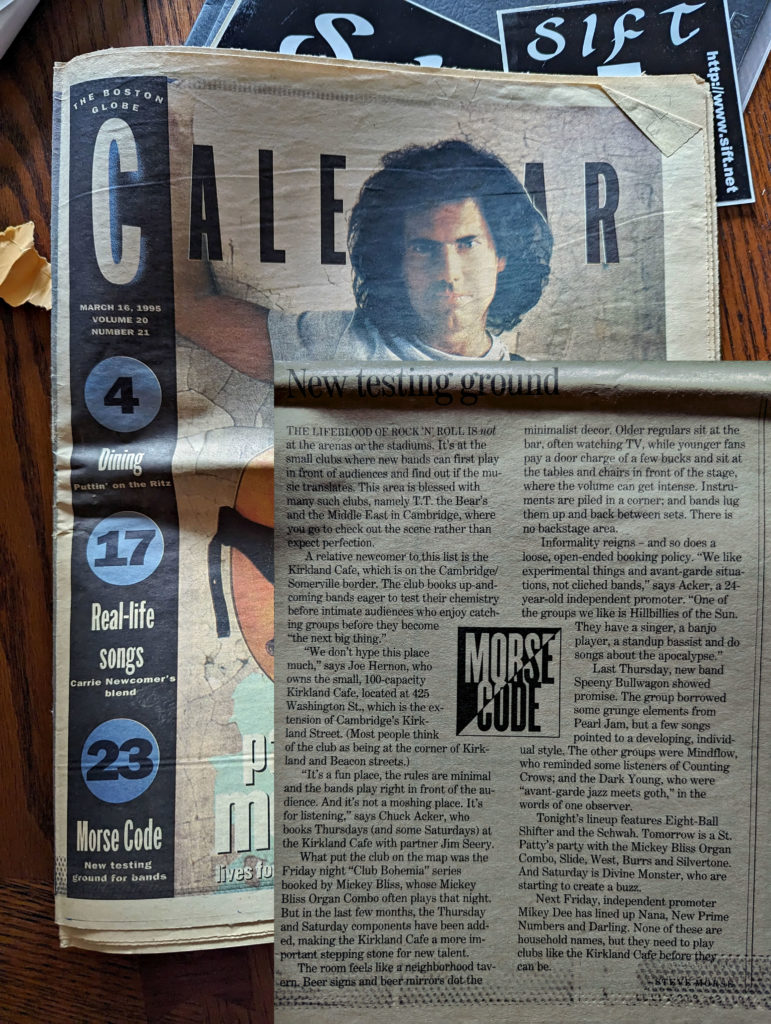
Sift started out in Boston in the early 1990s as Speeny Bowl Wagon. Curt Meinhold, Kimon Greenland and Ron Gittens wrote the initial songs that would be recorded at Powerhouse Studio by Stuart Covington. Jesse Vena played drums for those sessions. The sound was a collection of their influences with hints of The Cure, Jesus Lizard, The Smiths, Pavement, and many others.
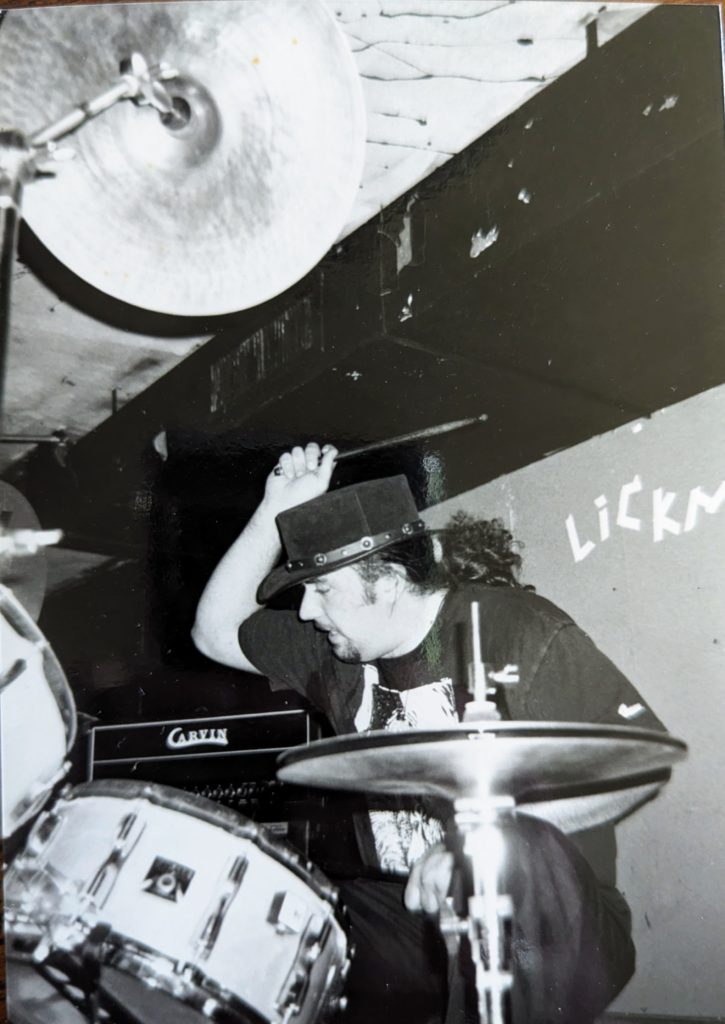
Todd Berozsky took over drums and became the fourth in 1993 and three more cassette demos were produced with that lineup between 1993 and 1995.
Kimon Greenland left the band in 1995 and Justin Burmeister joined. The “Alone” demo was produced which included fan favorites Song for Judy and Star.
The sound had evolved to feature elements of 70’s Prog, 80’s Metal & Darkwave, 90’s Alternative, and even Post Rock.
Complication
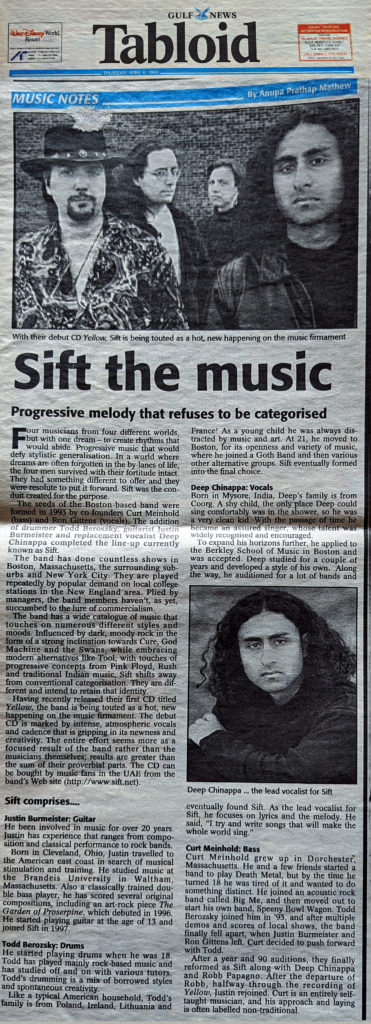
In 1996 Ron and Justin left the band, and were replaced by Deep Chinappa and Rob Papagno. New material was produced, and the name changes from Speeny Bowl Wagon to Sift. The music during this phase took on a more technical and heavier personality. Deep was able to introduce aspects of Middle Eastern structures and melodies to some of his vocal work.
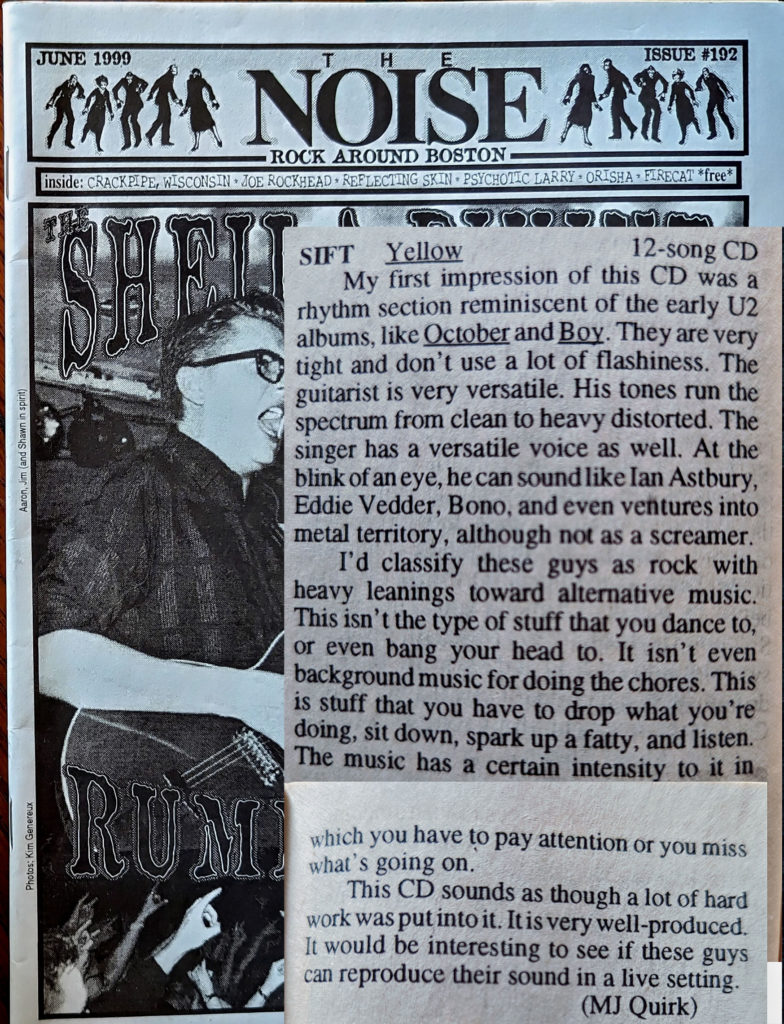
During the recording of the album Yellow, Rob left the band. Justin was asked to help complete the recordings. During that time, the title track was actually written and recorded by Curt and Justin.
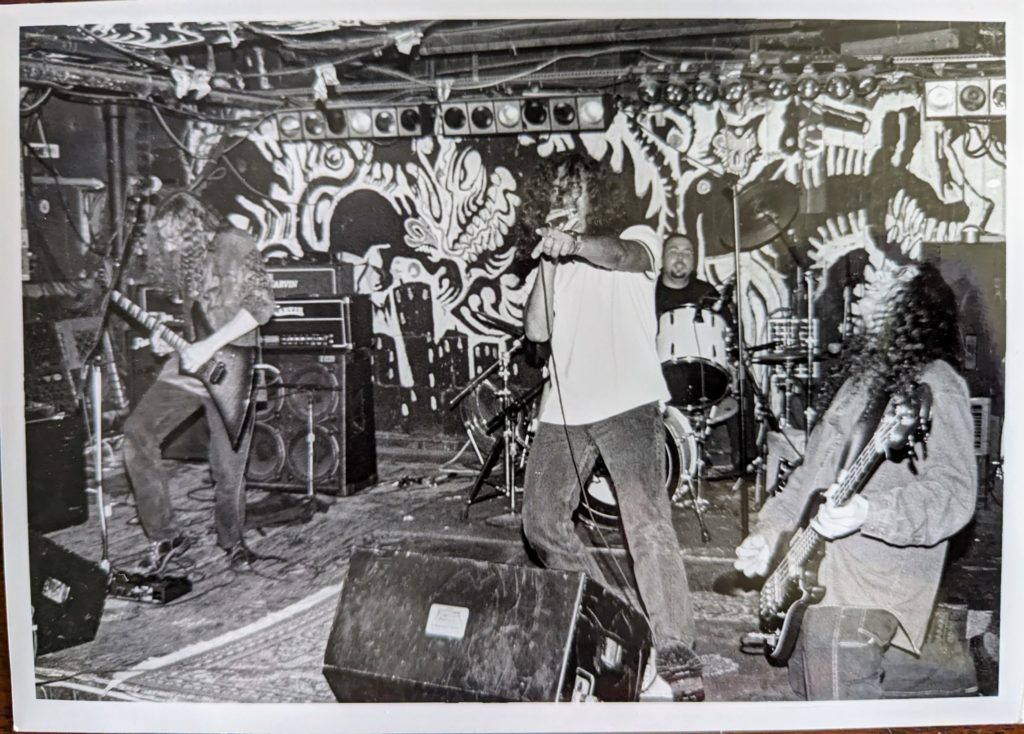
Yellow was released in 1997 and the band began to play regularly around New England, as well as branching out into NY and as far south as North Carolina.
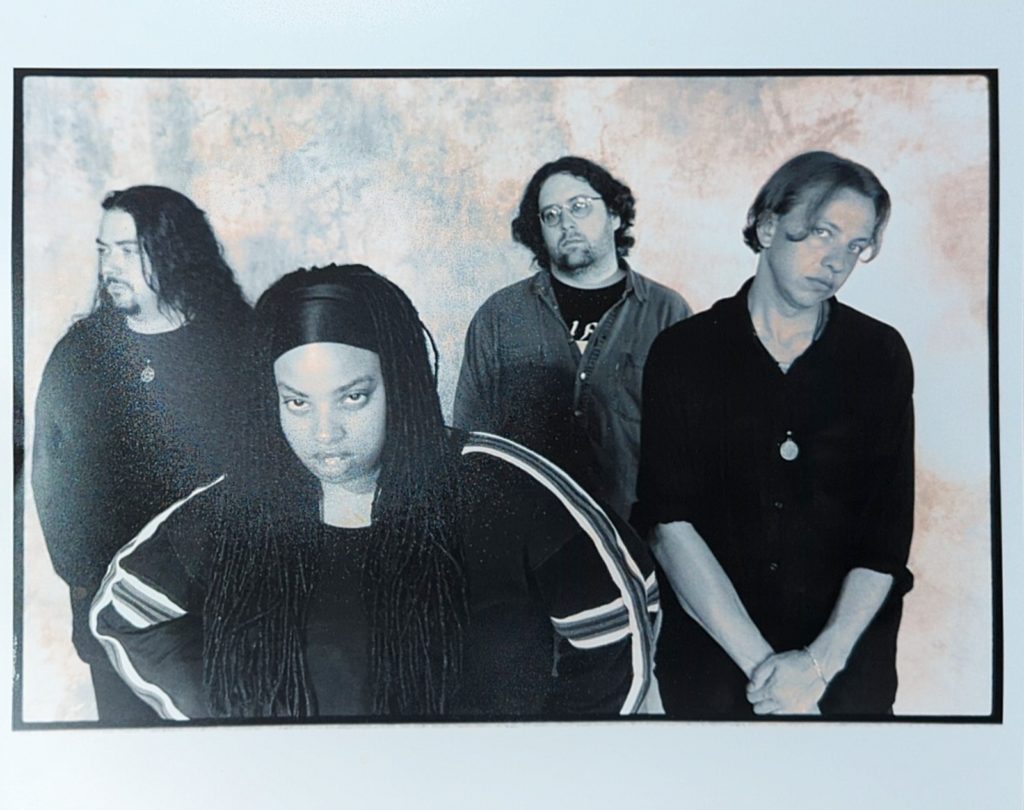
In 1999 Deep was replaced by Godjivah, who brought new layers of influence to the band. She was a powerful singer, who’d come up singing in the church, and brought an amazing amount of power and emotion to the vocals. The live album “If There Was A God” was released in 2000.
As Sift began to find traction, and perform more regularly, Sue Mikes took over vocal duties from Godjivah in 2001.
Climax
Rains for Tyler was a full album of new material that was released in 2002. The song “Helicopters” found its way onto local radio, and was covered live by the local goth band Amber Spyglass.
Rebecca Tognacci then replaced Sue in 2003. New material was produced and the album “The Desperate Hope” was recorded and released in 2005. The band continued to perform and grow their fan base, but external stressors started to present challenges, and by 2006, none of the band members lived within 100 miles of each other.
Denouement
Justin Burmeister and Curt Meinhold reconnected in North Carolina in 2012. They started jamming together on older Sift material, and eventually began writing new material. They released Sift’s fourth full-length CD, We Fear Wolves, in October 2017. It was the first time that they’d fully embraced programmed drums and percussion and made heavy use of sampling.
Justin Burmeister passed away from cancer in November of 2020. He and Curt had been working on a new album at the time. Curt decided that this final batch of tracks would signify the completion of the Sift project.
Sift’s final album, Denouement, is available now on all digital streaming services and stores. The vinyl release can be purchased from Bandcamp.
Music
Click on an album to listen. Links to Sift on streaming platforms below album covers.
Denouement
2025
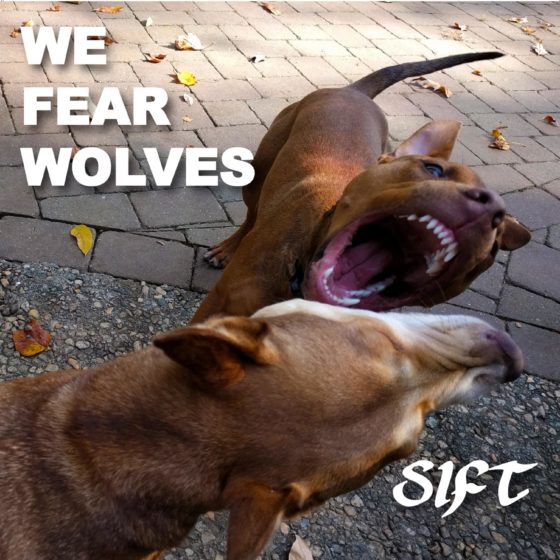
We Fear Wolves
2017
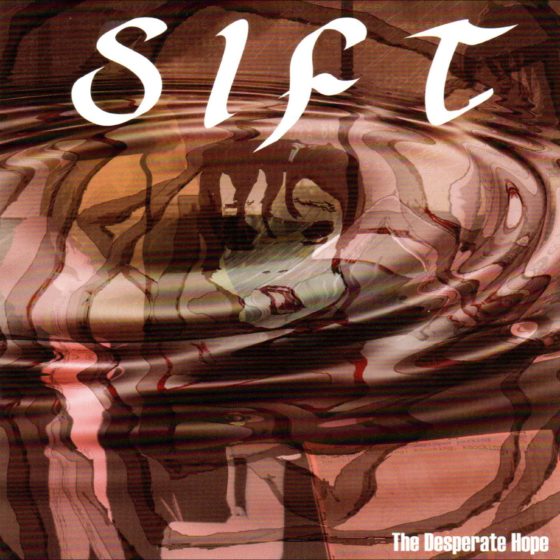
The Desperate Hope
2005
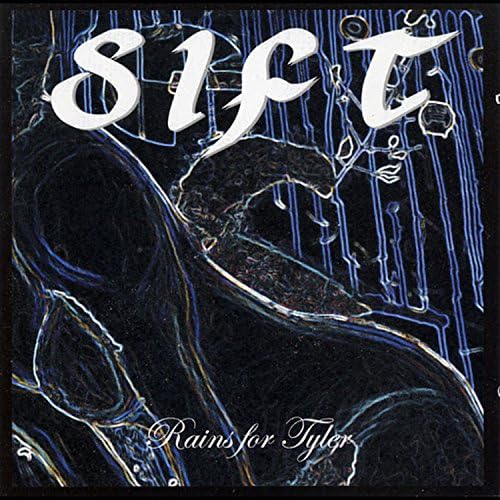
Rains for Tyler
2002
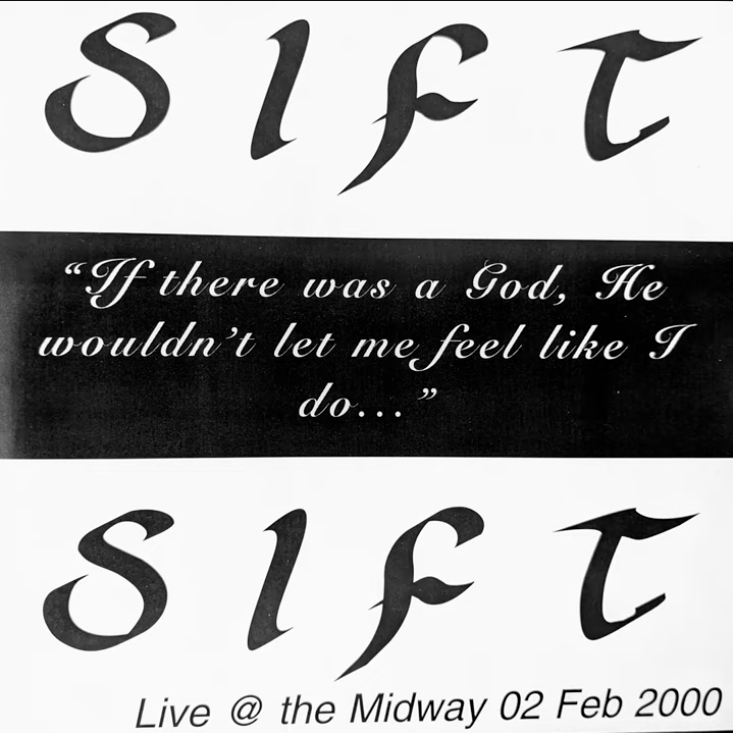
Live at the Midway Cafe (EP)
2000
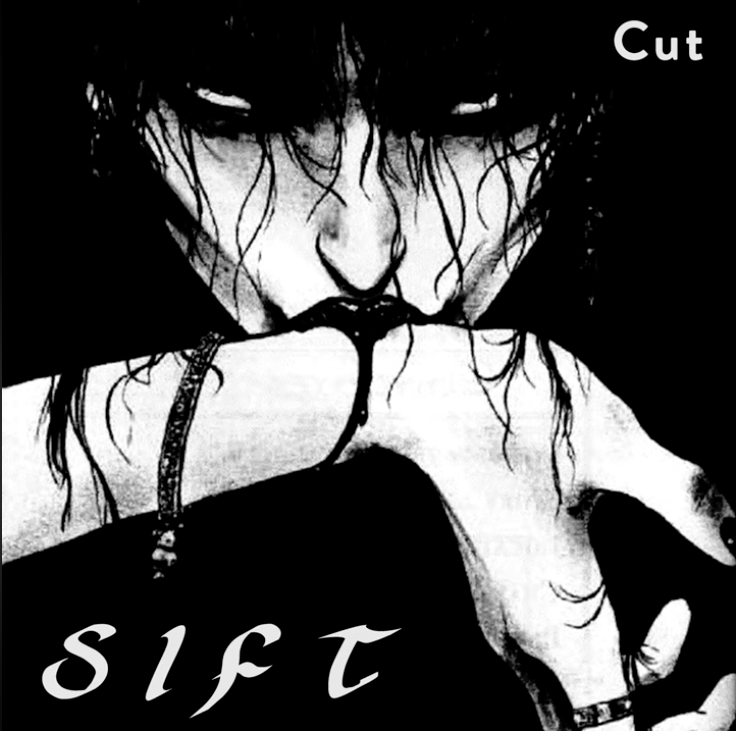
Cut (Demo)
1999
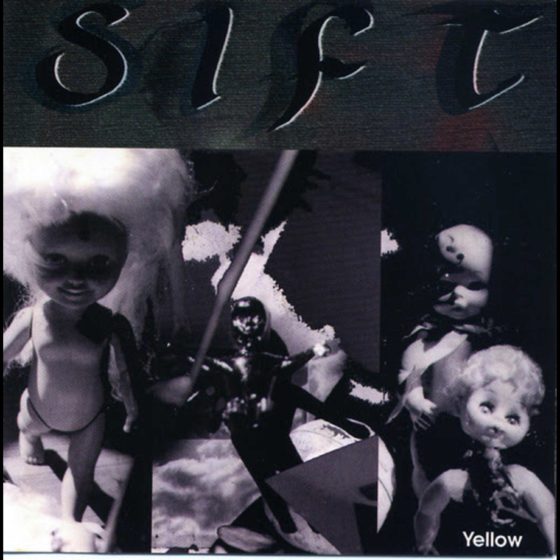
Yellow
1997
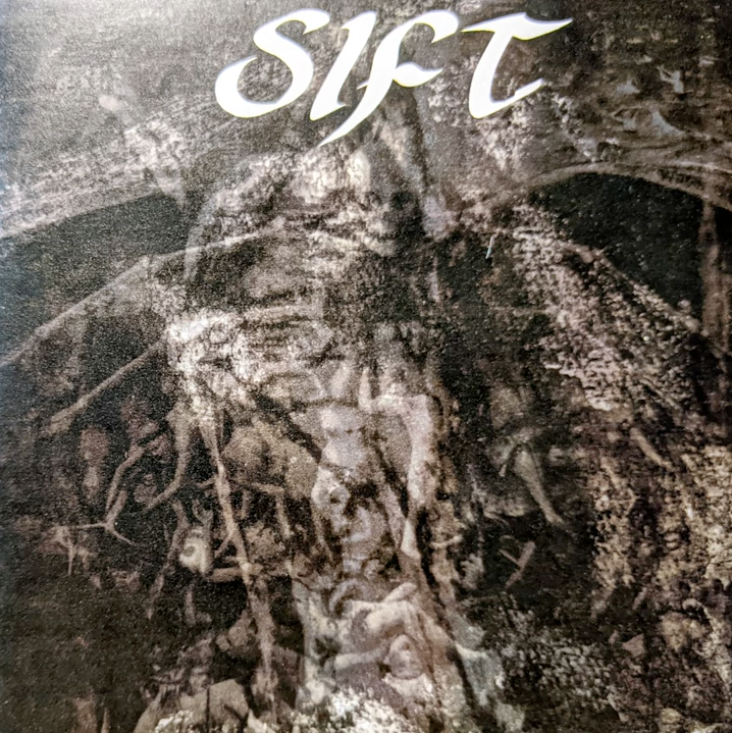
True (EP)
1996

The Speeny Years 1993-1995
1995
Stream Sift Globally
FAQ
What were the origins of Sift, and how did the band’s name evolve?
Sift originally formed in Boston during the early 1990s under the moniker Speeny Bowl Wagon. The early lineup, featuring Curt Meinhold, Kimon Greenland, and Ron Gittens, drew heavy inspiration from the era’s alternative titans like The Cure, The Smiths, and Jesus Lizard. It wasn’t until 1996, following significant lineup shifts including the addition of Deep Chinappa on vocals, that the band rebranded as Sift. This name change signaled a transition into a more technical, heavier, and Middle Eastern-influenced sound. The name Sift eventually became the permanent banner for the project as it migrated south and evolved through various experimental phases over the following decades.
How did the move from Boston to North Carolina impact the band’s direction?
The move to North Carolina represented both a pause and a powerful rebirth for the band. After the "Climax" era in the mid-2000s, band members were scattered across several states, making traditional collaboration nearly impossible. However, the 2012 reconnection of Curt Meinhold and Justin Burmeister in North Carolina served as the catalyst for Sift’s final, most experimental chapter. This geographical shift allowed the duo to pivot away from a standard band format and fully embrace modern production techniques, leading to 2017’s We Fear Wolves. The North Carolina years were defined by a more intimate, studio-focused approach that prioritized programmed percussion and heavy sampling.
Who were the key vocalists throughout Sift’s three-decade history?
Sift’s sound was frequently redefined by its vocalists, each bringing a distinct energy to the music. Following the departure of the original Boston members, Deep Chinappa introduced complex Middle Eastern vocal structures. He was followed in 1999 by Godjivah, a powerhouse singer with a background in gospel who infused the band’s darker tracks with immense soul and emotion. Later, Sue Mikes took over in 2001, followed by Rebecca Tognacci in 2003, who voiced the acclaimed album The Desperate Hope. Each transition allowed Curt and Justin to explore different genres, ranging from technical metal to ethereal darkwave, ensuring that the project never remained stagnant.
What is the significance of the final album, Denouement?
Denouement is more than just a final album; it is a profound tribute to the life and legacy of Justin Burmeister. Justin and Curt were in the middle of writing new material when Justin tragically passed away from cancer in November 2020. In the wake of this loss, Curt decided that the existing tracks would be completed and released to signify the formal conclusion of the Sift project. The album serves as a definitive closing chapter (the literal meaning of the word 'denouement'), blending the band's alternative roots with the electronic textures they mastered in their final years together in North Carolina.
How did Sift’s sound change from the early 90s to the final releases?
The sonic trajectory of Sift is a masterclass in musical curiosity. In the early 90s, the band played a blend of post-punk and alternative rock heavily influenced by the 80s darkwave and 90s indie scenes. As they transitioned into the 2000s, the music became more technical, occasionally leaning into progressive metal and technical rock. By the time they reached their North Carolina era, the "rock band" elements were largely replaced by electronic programming, sampling, and atmospheric soundscapes. This evolution reflects a 30-year journey from the high-volume energy of Boston clubs to the nuanced, introspective production of their final studio recordings.
What is the story behind the song and video for "Neverwill"?
"Neverwill" holds a sacred place in Sift’s history as the song that first united the core duo. During Justin Burmeister’s 1995 audition, he was asked to play along to a drum and bass track he had never heard before. He played the guitar parts perfectly on the first try, instantly proving he was the right fit. For the final album, Denouement, the duo revisited this track, transforming it from a 90s alternative song into something entirely new. The accompanying video is particularly moving, featuring archival footage of Curt and Justin’s final rehearsal and live performance together shortly before Justin’s passing in late 2020.
Is there a visual record of Sift's 30-year history?
Yes, the band's entire journey is chronicled in the feature-length documentary titled Denouement, released in 2023. The film, which is officially listed on IMDb, provides an intimate look at Sift’s evolution from the 1990s Harvard Square scene in Boston to their final experimental sessions in North Carolina. It features rare archival performance footage and deep-dive interviews with core members and collaborators, serving as both a historical archive and a tribute to the late Justin Burmeister. The documentary effectively bridges the gap between the band's early post-punk roots and their final transformation into a sophisticated darkwave project.
Contact
To contact Sift, visit our Bandcamp or Facebook pages.